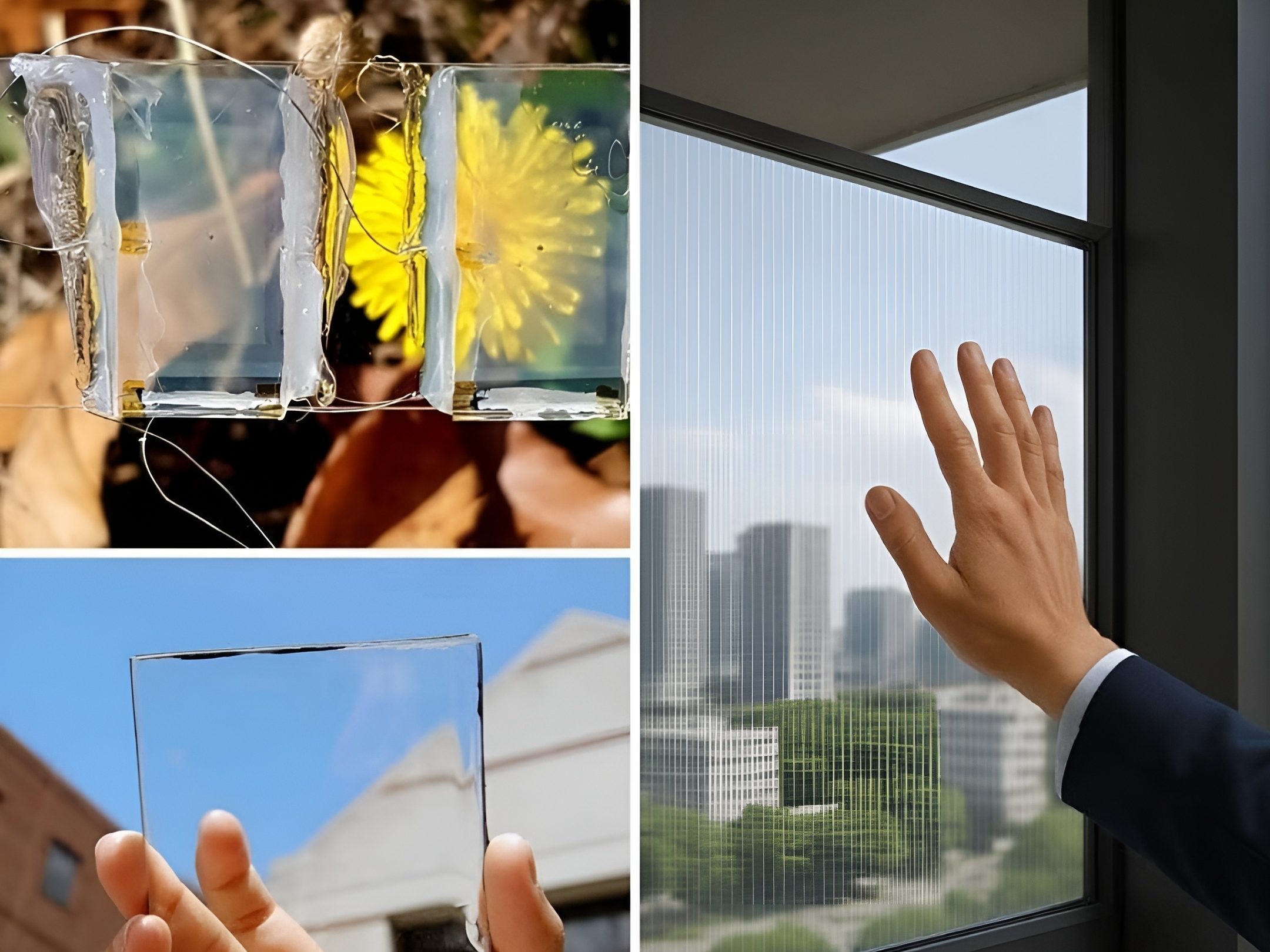

In a groundbreaking innovation, Korean scientists have developed invisible solar panels that look like ordinary windows but have the power to generate electricity from sunlight. This technological leap has the potential to revolutionize how we think about clean energy and urban design.
The Breakthrough Innovation
The research, led by a team at the Ulsan National Institute of Science and Technology (UNIST), has resulted in the development of transparent solar cells made from materials like titanium dioxide and nickel oxide. These compounds are carefully engineered to absorb ultraviolet (UV) rays — the part of sunlight invisible to the naked eye — while allowing visible light to pass through.
The result? A glass-like panel that can double as a power-generating window.
Key Features and Efficiency
This cutting-edge solar cell technology boasts:
- 15.8% power conversion efficiency – A major achievement in the realm of transparent photovoltaics.
- 20% visible light transmittance – Meaning these panels still allow ample natural light to enter, making them ideal for windows in homes, offices, or vehicles.
- Practical power output – Enough energy can be generated to charge a smartphone or other low-power devices using just natural sunlight.
Unlike traditional opaque solar panels that require large rooftop areas, these see-through panels can be integrated directly into the structure of buildings, cars, and even mobile devices.
The Impact on Architecture and Sustainability
This innovation aligns perfectly with the global shift towards net-zero energy buildings. Modern architecture now has the opportunity to blend form and function like never before. Skyscrapers and commercial buildings, which typically feature large glass facades, can now be turned into vertical solar farms — without compromising aesthetics.
Imagine a future where:
- Every window in your house generates electricity.
- Office towers contribute to the city’s power grid.
- Electric cars recharge themselves while parked in the sun.
- Mobile phones and wearable tech power up from ambient light.
It’s not just convenient — it’s clean, renewable, and invisible.
Challenges Ahead
While the progress is promising, several challenges remain before mass adoption:
- Scaling the technology affordably for large-scale production.
- Improving durability and lifespan of transparent solar materials.
- Integration with existing window technologies, including insulation and smart glass features.
However, with ongoing research and investment in clean energy, these barriers are expected to be overcome in the near future.
A Clear Vision for Tomorrow
As cities continue to grow and energy demands rise, solutions like transparent solar panels will play a vital role in achieving climate goals. By turning everyday surfaces into sources of renewable power, we move one step closer to a future where clean energy is not only sustainable but also seamless and beautifully integrated into our lives.
The age of invisible energy is here — and it looks a lot like a window.