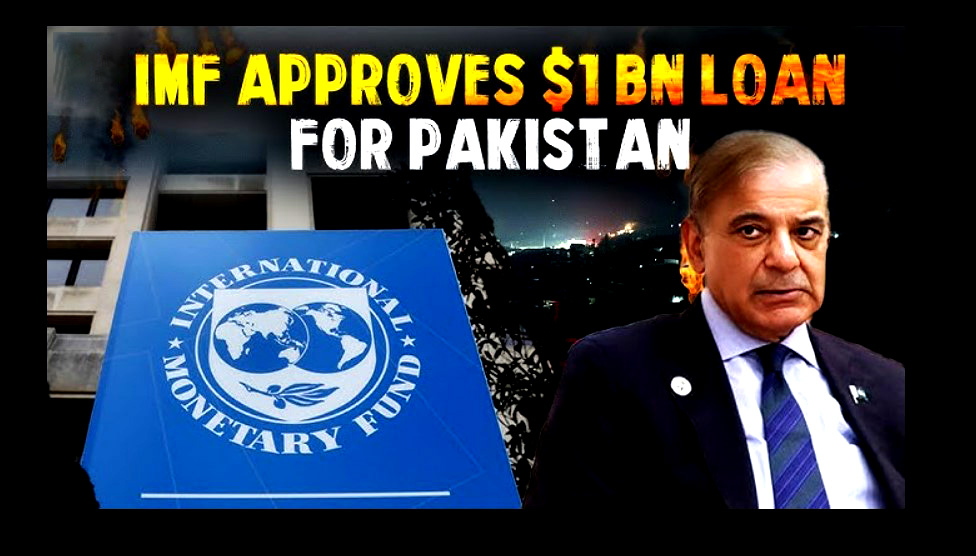
IMF Loan to Pakistan 2025: A Lifeline or Long-Term Liability?
In a significant move, the International Monetary Fund (IMF) has approved a $1.4 billion loan for Pakistan under its Resilience and Sustainability Facility (RSF), alongside a $1 billion disbursement as part of its ongoing $7 billion Extended Fund Facility (EFF). This comes at a time when Pakistan’s economy is under immense pressure due to external debt, a weak currency, and political instability.
🔍 Why Did Pakistan Seek the Loan?
Pakistan’s foreign exchange reserves have dropped dangerously low—barely covering three months of imports. With over $131 billion in external debt, the country was facing a balance-of-payments crisis. The IMF’s support is aimed at stabilizing the economy, promoting structural reforms, and ensuring climate resilience.
💡 Key Highlights of the IMF Loan Package:
- $1.4 Billion RSF Loan: Focused on climate adaptation and resilience-building.
- $1 Billion Disbursement: Under the $7 billion EFF to support economic reforms.
- Total Disbursed Under EFF: Now at $2.1 billion.
- Economic Focus: Boosting tax revenue, reducing subsidies, and restructuring public enterprises.
🇮🇳 India’s Reaction: A Diplomatic Statement
India abstained from the IMF board vote, voicing concerns over the potential misuse of funds, particularly related to regional security and cross-border tensions. While the IMF insists on monitoring and accountability, geopolitical implications remain a point of concern.

📈 What’s Next for Pakistan?
Prime Minister Shehbaz Sharif welcomed the loan as a step toward stability, but the road ahead is tough:
- Inflation and food insecurity remain high.
- Structural reforms must continue without delay.
- Private investment and employment need urgent focus.
🌍 Global Reactions & Outlook
The global community, including China and Gulf states, has closely watched the IMF’s decision. While some see it as a necessary relief, others question whether repeated borrowing can sustainably fix Pakistan’s deep-rooted issues.
The IMF loan gives Pakistan temporary breathing space, but not without conditions. For long-term recovery, Pakistan must reduce dependency on bailouts and focus on building a self-sustaining economy through real reforms, transparency, and regional cooperation.