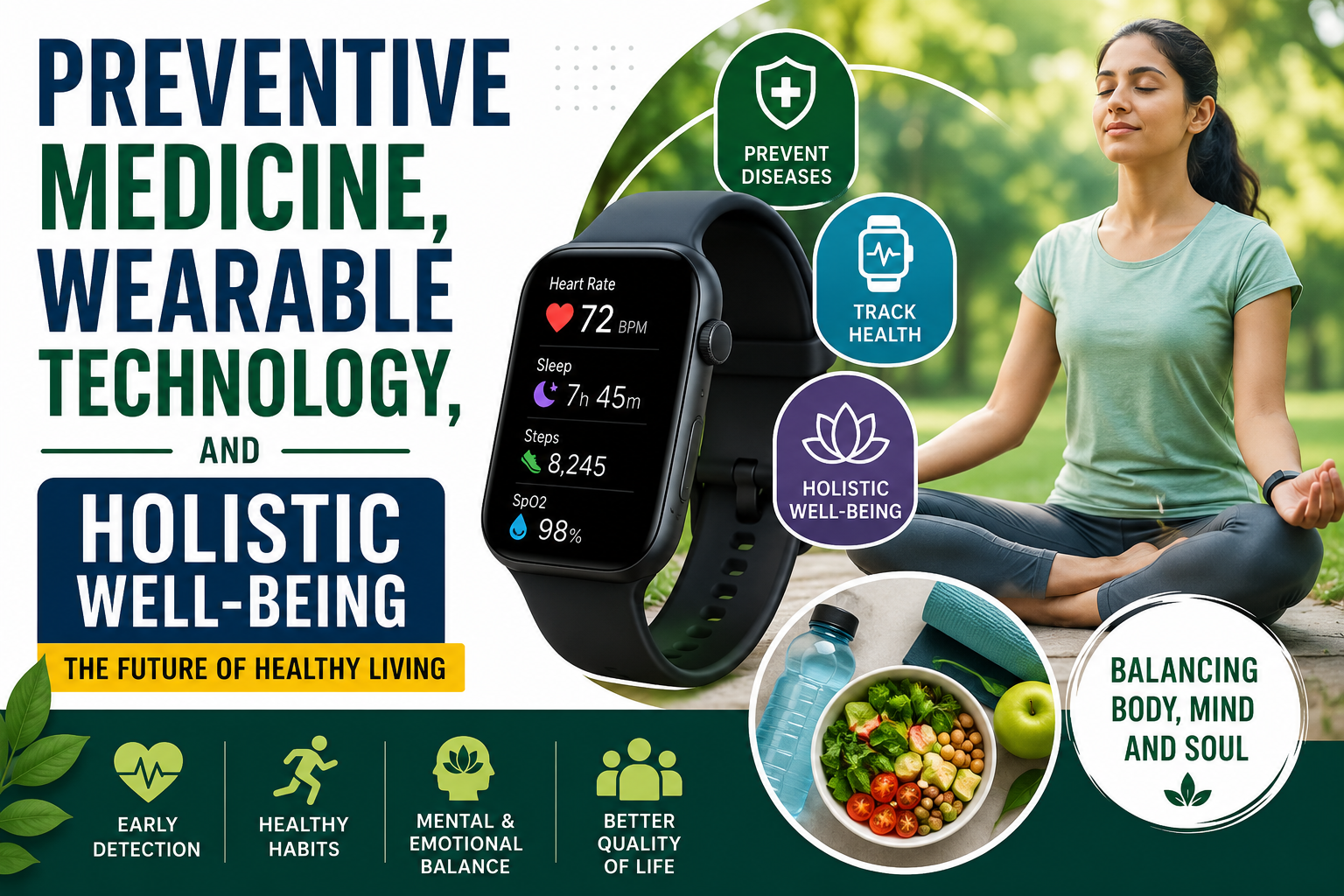
In today’s fast-paced world, health is no longer just about treating diseases after they occur. Modern healthcare is shifting toward prevention, early detection, and complete wellness. Three major trends are transforming the way people approach health: preventive medicine, wearable technology, and holistic well-being.
Together, these innovations are helping individuals live healthier, longer, and more balanced lives. From smartwatches tracking heart rates to personalized wellness plans focused on mind and body health, the future of healthcare is becoming smarter and more proactive.
What Is Preventive Medicine?
Preventive medicine focuses on preventing illnesses before they become serious. Instead of waiting for symptoms to appear, preventive healthcare encourages people to maintain healthy habits, undergo regular screenings, and detect health issues early.
The main goal of preventive medicine is to reduce the risk of chronic diseases such as:
- Heart disease
- Diabetes
- Obesity
- High blood pressure
- Cancer
- Mental health disorders
Doctors and healthcare professionals now emphasize lifestyle changes such as healthy eating, regular exercise, stress management, and quality sleep to improve long-term health outcomes.
Types of Preventive Medicine
1. Primary Prevention
This involves preventing diseases before they occur.
Examples include:
- Vaccinations
- Healthy diets
- Regular physical activity
- Avoiding smoking and alcohol abuse
2. Secondary Prevention
This focuses on early detection and treatment.
Examples include:
- Blood pressure checks
- Mammograms
- Diabetes screening
- Cholesterol testing
3. Tertiary Prevention
This helps manage existing diseases and prevent complications.
Examples include:
- Rehabilitation programs
- Physical therapy
- Chronic disease management
Preventive medicine not only improves quality of life but also reduces healthcare costs by minimizing hospital visits and serious medical conditions.
The Rise of Wearable Technology
Wearable technology has revolutionized personal health monitoring. Devices such as smartwatches, fitness trackers, and health bands allow people to track their daily activities and vital signs in real time.
Popular wearable devices can monitor:
- Heart rate
- Blood oxygen levels
- Sleep quality
- Calories burned
- Step count
- Stress levels
- ECG readings
These gadgets provide users with valuable health insights and encourage healthier habits.
How Wearables Improve Health
1. Encouraging Physical Activity
Fitness trackers motivate people to stay active by setting daily goals and tracking progress. Many users become more conscious about walking, exercising, and maintaining fitness routines.
2. Early Health Detection
Advanced wearables can detect irregular heart rhythms, abnormal oxygen levels, and unusual sleep patterns. Early warnings may help users seek medical attention before serious problems develop.
3. Better Sleep Monitoring
Sleep plays a major role in overall wellness. Wearable devices analyze sleep cycles and help users improve sleep quality by identifying disturbances and unhealthy patterns.
4. Stress Management
Modern smart devices now include stress tracking features based on heart rate variability and breathing patterns. Guided breathing exercises and mindfulness reminders help users stay calm and balanced.
Artificial Intelligence and Health Tracking
Artificial intelligence (AI) is making wearable technology even smarter. AI-powered systems can analyze large amounts of health data and provide personalized recommendations.
For example:
- Exercise suggestions
- Diet improvements
- Sleep optimization
- Personalized fitness plans
- Health risk predictions
In the future, wearable devices may become capable of predicting illnesses before symptoms appear, creating a truly preventive healthcare system.
Understanding Holistic Well-Being
Holistic well-being focuses on the complete health of a person — physically, mentally, emotionally, and spiritually. It recognizes that overall wellness is not just the absence of disease but the balance of all aspects of life.
Holistic health encourages people to care for:
- The body
- The mind
- Emotional health
- Social connections
- Spiritual wellness
Components of Holistic Well-Being
Physical Wellness
Physical health includes:
- Nutritious eating
- Exercise
- Adequate sleep
- Hydration
- Preventive checkups
Maintaining physical fitness improves energy levels and reduces the risk of disease.
Mental Wellness
Mental health is equally important. Practices such as meditation, mindfulness, journaling, and therapy can reduce anxiety and improve emotional stability.
Emotional Wellness
Healthy emotional well-being involves understanding and managing emotions effectively. Strong relationships and emotional support systems contribute greatly to happiness and resilience.
Spiritual Wellness
Spiritual wellness may include meditation, prayer, gratitude, or simply finding purpose and meaning in life. It helps people feel connected and fulfilled.
Social Wellness
Human connection is essential for mental and emotional health. Spending time with family, friends, and supportive communities can improve overall happiness.
How Preventive Medicine and Wearables Support Holistic Health
Preventive medicine and wearable technology work together to support holistic well-being in several ways.
Personalized Health Awareness
Wearable devices provide constant feedback about health metrics. This awareness encourages people to make healthier lifestyle choices and take preventive action.
Building Healthy Habits
Daily reminders and health tracking help users maintain routines such as:
- Drinking water
- Walking regularly
- Sleeping on time
- Practicing mindfulness
Consistency plays a major role in long-term wellness.
Reducing Stress and Anxiety
Health tracking can reduce uncertainty and encourage proactive care. Many apps now combine fitness, meditation, and stress management into one platform.
Empowering Individuals
People are becoming more involved in their own healthcare decisions. Instead of relying only on hospitals and doctors, individuals can monitor and improve their health daily.
Challenges and Concerns
Despite the benefits, wearable technology and preventive healthcare also face challenges.
Data Privacy
Health data collected by wearable devices must be protected carefully. Privacy concerns remain an important issue.
Overdependence on Technology
Some individuals may become overly dependent on health tracking devices, leading to unnecessary anxiety about normal body changes.
Accessibility
Not everyone can afford advanced wearable devices or access quality preventive healthcare services.
Accuracy Limitations
While wearable devices are improving, they are not perfect medical tools. Professional medical advice is still essential.
The Future of Wellness
The future of healthcare is moving toward integration, personalization, and prevention. Emerging technologies such as AI, telemedicine, genetic testing, and smart health devices will continue transforming healthcare systems worldwide.
Future possibilities include:
- Real-time disease prediction
- Personalized nutrition plans
- Remote patient monitoring
- Virtual health consultations
- Smart clothing with health sensors
Healthcare may soon become more proactive than reactive.
Conclusion
Preventive medicine, wearable technology, and holistic well-being are shaping a healthier future for society. Together, they encourage people to take control of their health, detect problems early, and maintain balance in every aspect of life.
As technology continues evolving, healthcare will become increasingly personalized and preventive. However, true wellness goes beyond gadgets and medical tests. A healthy lifestyle, emotional balance, meaningful relationships, and self-care remain the foundation of holistic well-being.
By combining modern technology with mindful living, individuals can create a healthier, happier, and more fulfilling life.