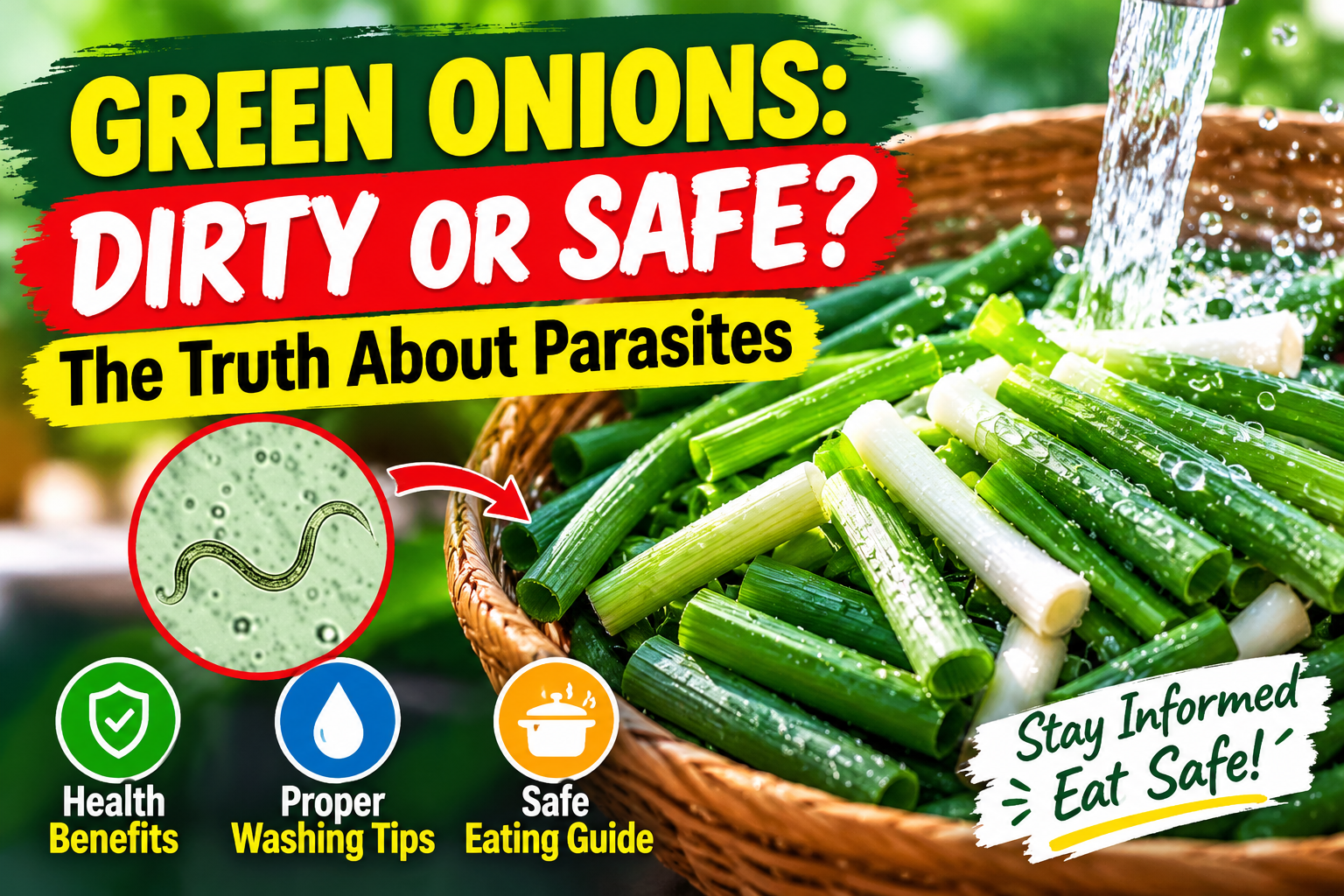
Green onions are a popular ingredient in salads, soups, stir-fries, and many other dishes. But can these fresh, flavorful vegetables carry harmful parasites? Learn the truth about green onion contamination, its nutritional benefits, proper washing techniques, and simple food safety tips to protect your health.
Green onions, also known as scallions or spring onions, are widely used in kitchens around the world. Their mild, fresh flavor and crisp texture make them a favorite addition to salads, noodles, soups, curries, and garnishes. In addition to improving the taste of meals, they provide essential nutrients and beneficial plant compounds.
However, concerns about food safety have raised an important question: Are green onions among the “dirtiest” vegetables, and can eating them raw expose you to parasites?
The short answer is that green onions, like many fresh vegetables, can sometimes carry harmful microorganisms. However, there is no good reason to label them inherently dangerous or uniquely contaminated compared with other vegetables. The actual risk depends on how they are grown, harvested, transported, stored, washed, and prepared.
Understanding the facts can help you enjoy green onions safely without unnecessarily avoiding a nutritious food.
1. Why Are Green Onions Sometimes Called “Dirty” Vegetables?
The term “dirty vegetables” is frequently used in online discussions about produce that may carry soil, pesticide residues, bacteria, or parasites. However, it is not a formal scientific classification of vegetable safety.
Green onions grow in soil or other growing media, and their white bulbs and lower leaves may come into contact with dirt, irrigation water, and agricultural materials. During harvesting and transportation, contamination can also occur if the produce comes into contact with unclean surfaces, equipment, containers, or hands.
Unlike vegetables that are always peeled before eating, green onions are often consumed almost entirely, including their green leaves and white portions. This means that proper cleaning is especially important when they are served raw.
Nevertheless, visible dirt does not automatically mean that a vegetable contains harmful parasites. Similarly, a vegetable that looks clean may still carry microorganisms that cannot be seen with the naked eye.
The important distinction is that green onions can become contaminated, but they are not automatically unsafe simply because they grow close to the soil.

2. Can Green Onions Carry Parasites?
Yes, fresh vegetables can sometimes carry parasites when contaminated water, soil, or improperly treated organic fertilizers are involved. Green onions are not exempt from this possibility.
Parasites are organisms that live in or on another organism. Some intestinal parasites can cause illness when people accidentally consume contaminated food or water.
Examples of parasites associated with foodborne or waterborne infections include:
- Giardia: A microscopic parasite that can cause diarrhea, abdominal cramps, bloating, and other digestive symptoms.
- Cryptosporidium: A microscopic parasite that may cause watery diarrhea, stomach cramps, nausea, and dehydration.
- Certain intestinal worms: Some parasitic worms can be transmitted through contaminated soil or food, depending on the species and how exposure occurs.
These organisms have different transmission routes, and not every parasite can be transmitted through vegetables. Their presence in produce depends on environmental conditions and contamination pathways.
It is also important to understand that reports of parasites in fresh produce do not mean every bunch of green onions contains them. Foodborne outbreaks can involve different types of vegetables, fruits, herbs, and other foods.
There is insufficient evidence to conclude that green onions are universally one of the most parasite-contaminated vegetables. The sensible approach is to treat green onions like other fresh produce: purchase them from reliable sources, wash them thoroughly, and handle them hygienically.
3. How Do Green Onions Become Contaminated?
Contamination can occur at several stages between the farm and your kitchen.
Contaminated irrigation water
Water used to grow vegetables can introduce harmful microorganisms if it has been contaminated by human or animal waste. The risk depends on water quality, agricultural practices, and the level of exposure.
Improperly treated manure
Organic fertilizers can support soil health, but untreated or inadequately treated manure may contain pathogens. Appropriate treatment and safe agricultural practices help reduce this risk.
Contact with soil
Soil naturally contains many microorganisms. Most are harmless, but contaminated soil may contain pathogens that can reach edible plant surfaces.
Harvesting and transportation
Dirty harvesting tools, storage containers, transport vehicles, and processing equipment can transfer microorganisms between surfaces and vegetables.
Handling at markets and shops
Produce may be handled by multiple people before reaching consumers. Poor hygiene, damaged packaging, or contact with contaminated surfaces can increase the possibility of cross-contamination.
Improper handling at home
Even if green onions are initially clean, they can become contaminated through unwashed hands, dirty knives, contaminated cutting boards, or contact with raw meat and poultry.
These factors show why vegetable safety is not determined by the vegetable alone. Good hygiene throughout the food supply chain is essential.
4. Is It Safe to Eat Raw Green Onions?

For most healthy people, properly washed green onions can be a safe and nutritious part of a balanced diet.
Raw green onions are commonly used in salads, sandwiches, chutneys, noodles, dips, and other dishes. Eating them raw preserves their fresh texture and allows you to enjoy their characteristic flavor.
However, raw vegetables do not undergo a cooking step that would otherwise destroy many harmful microorganisms. Washing helps remove dirt and reduce microbial contamination, but it does not guarantee that all bacteria, viruses, or parasites have been eliminated.
This is why the preparation method matters.
If you enjoy raw green onions, wash them carefully under clean running water and remove damaged or visibly contaminated portions. Use clean utensils and prepare them on a hygienic surface.
If you are particularly concerned about foodborne illness or belong to a group at increased risk of severe infection, cooking green onions may be a more cautious option.
Remember that raw does not automatically mean unhealthy, and cooked does not automatically mean every food safety risk has disappeared. Safe sourcing, preparation, storage, and cooking practices all contribute to reducing risk.
5. How to Wash Green Onions Properly
Washing green onions correctly is one of the easiest ways to improve food safety at home.
Follow these simple steps before using them in your meals.
Step 1: Choose fresh green onions
Select green onions with firm white bulbs and fresh-looking green leaves. Avoid bunches with extensive sliminess, mold, decay, or unpleasant odors.
A little soil on the roots is not unusual and does not necessarily indicate a safety problem.
Step 2: Remove damaged leaves
Discard wilted, slimy, or damaged outer leaves. Trim off the root ends and any portions that are visibly spoiled.
Step 3: Separate the stalks
Separate the individual stalks so that water can reach areas where dirt may collect. This is especially useful when the bunch is tightly packed.
Step 4: Rinse under running water
Hold the stalks under clean, cool running water. Gently rub the white bulbs and green leaves with your fingers to loosen visible dirt.
Pay particular attention to the area around the white bulb, the lower stalk, and the places where leaves overlap.
Step 5: Check for remaining dirt
Inspect the stalks after rinsing. If soil remains in creases or around the base, rinse those areas again.
Step 6: Dry with a clean material
Shake off excess water and pat the onions dry with a clean paper towel or use a clean salad spinner if appropriate.
Drying can help maintain quality and reduce excess moisture during storage.
Important: Do not use household soap, bleach, dishwashing liquid, or ordinary detergents to wash green onions. These products are not intended for direct application to fresh produce and may leave harmful residues.
Plain running water is generally recommended for routine washing. Washing reduces contamination but cannot guarantee complete removal of every pathogen.
6. Does Washing Remove All Parasites and Bacteria?
No. Washing is an important food safety measure, but it is not a sterilization process.
Running water and gentle rubbing can remove visible soil and reduce some microorganisms on the surface. However, certain pathogens may remain attached to the plant, become trapped in crevices, or be difficult to remove completely.
The effectiveness of washing depends on several factors, including the type of contaminant, the condition of the vegetable, the quality of the water, and the washing technique.
For example, a visibly muddy bunch may require more careful rinsing than one that has little visible soil. Even after thorough washing, however, the absence of visible dirt does not prove that the vegetable is free of harmful microorganisms.
Avoid relying on vinegar, saltwater, lemon juice, or homemade disinfectant mixtures as guaranteed methods of eliminating parasites. These methods are not reliable substitutes for recommended food safety practices.
For everyday use, focus on clean running water, clean hands, hygienic kitchen surfaces, appropriate refrigeration, and cooking when extra protection is warranted.
7. What Are the Health Benefits of Green Onions?
Despite concerns about contamination, green onions offer several nutritional benefits and can contribute to a varied, balanced diet.
Vitamin K
Green onions contain vitamin K, which plays an important role in normal blood clotting and bone health.
People taking warfarin or certain other vitamin K-sensitive anticoagulant treatments should keep their vitamin K intake consistent and follow advice from their healthcare professional rather than making sudden dietary changes.
Vitamin C
Green onions provide vitamin C, a nutrient involved in normal immune function, collagen formation, and the absorption of iron from plant foods.
Folate
Folate supports DNA synthesis, normal cell division, and other essential bodily functions. Green onions can contribute to overall folate intake alongside other vegetables, legumes, and fortified foods.
Antioxidants and plant compounds
Green onions contain various plant compounds, including flavonoids and sulfur-containing compounds. These contribute to the nutritional characteristics of the allium family, which also includes garlic, leeks, and ordinary onions.
Research into individual plant compounds is ongoing. Although some studies suggest potential health benefits, green onions should not be considered a treatment or cure for specific diseases.
Low calorie content
Green onions add flavor, texture, and color to meals without contributing a large number of calories in typical serving sizes.
They can be a useful addition to vegetable-rich meals, soups, salads, and homemade dishes.
As with any food, their nutritional value should be considered as part of the overall diet rather than as a stand-alone solution for health.
8. Who Should Be Extra Careful When Eating Raw Green Onions?
Most healthy adults can enjoy properly washed green onions. However, some people face a greater risk of serious complications from foodborne infections.
These groups include:
- Pregnant women.
- Young children.
- Adults aged 65 and older.
- People with weakened immune systems.
- Individuals receiving certain cancer treatments or immune-suppressing medications.
- People with medical conditions that increase their susceptibility to infection.
For these individuals, food safety deserves additional attention.
Choose fresh produce from reliable sources, wash it thoroughly, avoid visibly damaged vegetables, and prevent cross-contamination during preparation.
Cooking green onions before consumption may further reduce the risk from many harmful microorganisms. People at increased risk should follow food safety advice from their healthcare professionals, especially if they have been advised to avoid certain raw foods.
It is not necessary for everyone in these groups to avoid all raw vegetables. Instead, the appropriate precautions depend on individual health circumstances and the specific food safety guidance they have received.
9. Can Cooking Green Onions Reduce the Risk of Infection?
Yes. Thorough cooking can destroy many disease-causing bacteria, viruses, and parasites that may be present in contaminated food.
Green onions can be added to soups, vegetable curries, fried rice, noodles, stir-fries, omelets, and other cooked dishes.
If you prefer to cook them, wash them first to remove soil and prevent dirt from entering the dish. Add them during cooking according to the recipe and ensure the food is heated adequately.
However, cooking does not correct every food safety problem. Food can still become contaminated after cooking if it comes into contact with dirty utensils, unwashed hands, or raw ingredients.
Similarly, cooking spoiled vegetables is not a reliable way to make them safe. Discard produce that shows signs of significant decay or spoilage.
For people who enjoy the flavor of green onions but want to minimize exposure to pathogens, cooked preparations provide a practical alternative to eating them raw.
10. How to Store Green Onions Safely
Proper storage helps preserve freshness and reduces opportunities for microbial growth.
Follow these storage tips:
Refrigerate promptly: Store fresh green onions in the refrigerator rather than leaving them at room temperature for extended periods.
Keep them clean and dry: Excess moisture can encourage deterioration. If you wash the onions before storing them, dry them thoroughly.
Use a clean container: Store them in a clean container or suitable produce bag. Avoid tightly sealing wet vegetables if moisture becomes trapped inside.
Separate raw produce from raw meat: Keep green onions away from raw meat, poultry, seafood, and their juices.
Inspect before use: Remove slimy, moldy, or spoiled portions. If the bunch has widespread spoilage or an unusual smell, discard it.
Follow refrigeration guidance: Keep your refrigerator at or below 4°C (40°F) where possible, and use fresh produce promptly.
If you have already chopped green onions, refrigerate them in a clean, covered container. Avoid leaving cut produce at room temperature for prolonged periods.
Storage can help maintain quality and slow microbial growth, but refrigeration does not eliminate pathogens that may already be present.
11. Common Mistakes to Avoid When Preparing Green Onions
Some everyday kitchen habits can unintentionally increase the risk of contamination.
Washing only the white portion
Dirt and contaminants can collect on the green leaves and between overlapping stalks. Rinse the entire edible portion.
Using dirty cutting boards
A cutting board previously used for raw meat can transfer harmful microorganisms to green onions. Clean and sanitize kitchen equipment appropriately between uses.
Cutting before removing visible soil
Cutting a dirty vegetable can spread contaminants from the outer surface to the cut portions. Rinse the onions before chopping them.
Assuming organic produce is always safer
Organic farming practices differ from conventional farming practices, but organic vegetables can still become contaminated through water, soil, handling, or storage. Organic labeling does not eliminate the need for washing.
Using soap or household disinfectants
These products are not appropriate substitutes for routine produce washing. Use clean running water instead.
Ignoring spoilage
Sliminess, mold, extensive decay, or an unpleasant smell are reasons to discard affected produce rather than attempting to rescue it through washing or cooking.
Avoiding these mistakes can make food preparation safer without requiring expensive products or complicated cleaning routines.
12. What Symptoms Can Contaminated Vegetables Cause?
Foodborne illness can result from consuming food contaminated with certain bacteria, viruses, or parasites.
Symptoms vary according to the organism involved, the amount consumed, and the individual’s health.
Possible symptoms include:
- Diarrhea.
- Nausea and vomiting.
- Abdominal pain or cramps.
- Fever.
- Loss of appetite.
- Weakness and dehydration.
Some infections cause symptoms within hours, while others may take several days or longer to develop. Certain parasitic infections can produce prolonged digestive symptoms.
Experiencing stomach discomfort after eating green onions does not automatically mean that the onions contained parasites. Many conditions can cause similar symptoms, and identifying the cause may require medical evaluation.
Seek prompt medical attention if you experience bloody diarrhea, severe abdominal pain, persistent high fever, signs of dehydration, or symptoms that are severe or continue for several days. Pregnant people, older adults, young children, and people with weakened immune systems should seek medical advice sooner when concerning symptoms develop.
If foodborne illness is suspected, a healthcare professional can determine whether testing or treatment is needed.
13. Are Green Onions More Dangerous Than Other Vegetables?
There is no sound basis for treating green onions as inherently dangerous or declaring them one of the “dirtiest” vegetables without reliable comparative evidence.
Different vegetables have different growing conditions, surfaces, structures, and preparation methods. Contamination risk can vary by farm, region, season, water quality, handling practices, and the particular microorganism involved.
Leafy greens, fresh herbs, sprouts, fruits, and other vegetables have all been implicated in foodborne illness under certain conditions.
A vegetable’s reputation on social media is not a reliable measure of its actual food safety risk. Viral claims often focus on a single possible hazard without explaining how frequently it occurs or how it compares with risks from other foods.
Instead of avoiding green onions because of frightening headlines, consumers should use evidence-based food safety practices that apply to fresh produce generally.
Good agricultural practices, clean water, hygienic handling, proper refrigeration, thorough washing, and appropriate cooking all help reduce foodborne illness risks.
14. Frequently Asked Questions About Green Onions
Q1. Should I stop eating green onions because of parasites?
No. There is no general reason for most healthy people to stop eating green onions. Purchase fresh produce, wash it thoroughly, and handle it safely. People at higher risk should follow any specific medical or food safety advice they have received.
Q2. Can I eat green onions without cooking them?
Yes, properly washed green onions can be eaten raw by most healthy people. However, washing reduces contamination rather than guaranteeing that all pathogens are removed.
Q3. Does soaking green onions in saltwater kill parasites?
Saltwater soaking is not a dependable method for eliminating all parasites or other harmful microorganisms. Clean running water, hygienic handling, and cooking when appropriate are more reliable components of a food safety routine.
Q4. Is organic green onion safer than conventionally grown green onion?
Not necessarily. Both organic and conventionally grown vegetables can become contaminated. Proper washing and handling remain important regardless of the farming label.
Q5. Should I wash green onions before storing them?
Either approach can work if handled properly. If you wash them before storage, dry them thoroughly and refrigerate them in a clean container. Alternatively, store them unwashed in the refrigerator and rinse them just before use.
Q6. Can cooking eliminate every food safety risk?
No. Thorough cooking reduces many microbial hazards, but spoiled ingredients, cross-contamination, and unsafe storage can still cause problems.
Q7. Are green onions nutritious?
Yes. They provide nutrients such as vitamins K and C, folate, and beneficial plant compounds. They can be part of a balanced diet that includes a variety of vegetables and other nutritious foods.
Conclusion: Enjoy Green Onions With Confidence
Green onions are flavorful, versatile, and nutritious vegetables that can enhance many everyday meals. Although they may occasionally become contaminated with harmful microorganisms, there is no good reason to assume they are uniquely dangerous or automatically among the “dirtiest” vegetables.
The risk of foodborne illness depends on factors such as agricultural practices, water quality, harvesting, transportation, storage, and kitchen hygiene.
To protect yourself, choose fresh green onions, remove damaged portions, rinse them thoroughly under clean running water, use clean utensils, prevent cross-contamination, and refrigerate unused portions promptly. If you are at increased risk of severe foodborne illness, consider cooked preparations and follow your healthcare professional’s advice.
Most importantly, do not let sensational online claims replace reliable food safety information.
The bottom line: Green onions do not need to be avoided simply because they grow close to the soil. With careful washing, safe preparation, and proper storage, they can remain a delicious and nutritious part of a healthy diet.
Health information disclaimer: This article is intended for general educational purposes and is not a substitute for professional medical advice. Consult a qualified healthcare professional if you have concerns about foodborne illness or symptoms following food consumption.