
In a world filled with supplements, smartwatches, and fad workouts promising eternal youth and vitality, the real secret to a longer, healthier life may be much simpler—and it’s been right under our noses (and feet) the entire time. Walking, one of the most natural human activities, is now being rediscovered by scientists as one of the most powerful forms of preventive medicine.
Over 2,400 years ago, Hippocrates—the father of modern medicine—famously declared, “Walking is man’s best medicine.” Today, cutting-edge research is proving he wasn’t just being poetic; he was spot on.
Step Count: How Much is Enough?
You’ve probably heard of the 10,000-step goal, but here’s a surprising truth: it wasn’t based on medical research. It originated from a Japanese pedometer marketing campaign in the 1960s! While 10,000 steps can be a healthy goal, science now shows that the benefits of walking peak around 8,000 steps per day.

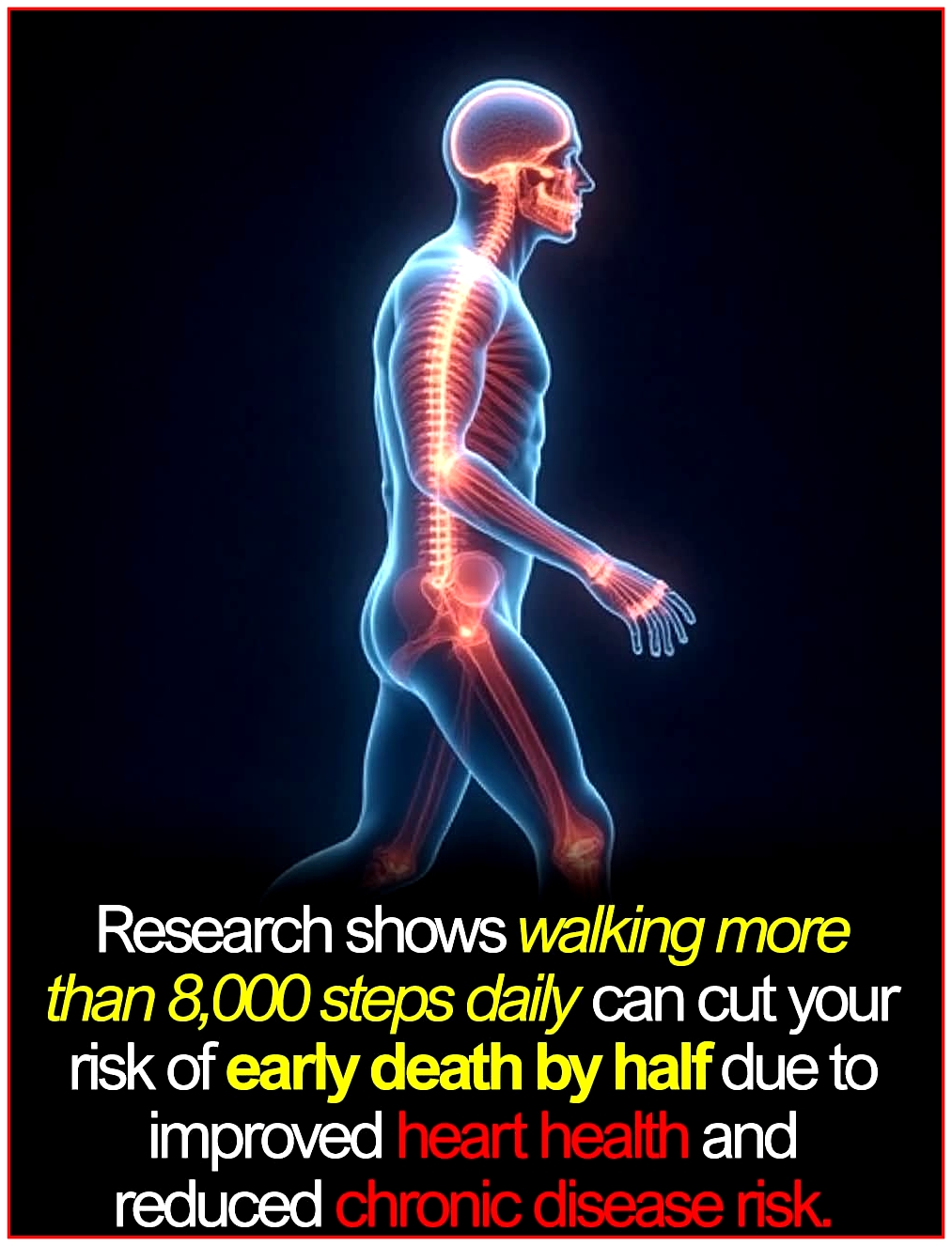
📊 A study found that people who walk 8,000+ steps a day had a 50% lower risk of early death compared to those who walked fewer than 5,000. Interestingly, going beyond 8,000 didn’t add significant extra benefit in terms of longevity.
So, if you’re hitting somewhere between 7,000 to 9,000 steps daily, you’re already on the right track. Literally.
Why Speed Matters More Than You Think
It’s not just how much you walk—but how fast you walk—that can make a serious impact on your health.
🚶♂️ Brisk walking—defined as around 100 steps per minute—has been shown to reduce heart disease risk by 14% compared to slow strolling.
One of the most compelling studies, involving more than 450,000 participants in the UK, revealed that brisk walkers had a biological age up to 16 years younger than slow walkers of the same chronological age. That’s not just longer life—it’s more youthful living.
Even better? The benefits apply no matter when you start. A 60-year-old who begins brisk walking for just 10 minutes a day could gain an extra year of life. That’s a powerful return for a small daily habit.
Brisk Walking vs. Medical Tests
Would you believe that your walking speed might tell doctors more about your heart health than cholesterol or even blood pressure?
According to recent findings, brisk walking is a better predictor of heart health than many traditional metrics. Some doctors now ask patients about their walking pace as a quick check of cardiovascular health.
🏥 So next time you visit the doctor, don’t be surprised if instead of checking just your vitals, they ask, “How fast do you walk?”
Walking and Cancer: What We Know
While brisk walking significantly boosts heart health and longevity, its impact on cancer risk is a bit more limited.
Current evidence shows that light and brisk walking have similar effects when it comes to cancer prevention. However, staying active in any form—especially if it replaces long periods of sitting—is beneficial in keeping overall disease risk low.
💡 The takeaway? Walk regularly, even if slowly. Just moving throughout the day has its own powerful effects.
Brain Boost: Walking for Mental Health and Creativity
Walking isn’t just good for your body—it’s fantastic for your brain.
🧠 Studies show that walking doubles creative thinking by activating regions of the brain tied to memory, imagination, and cognition. No wonder some of history’s greatest thinkers—from Steve Jobs to Charles Dickens—were famous for their long walks.
Walking in nature takes it even further. Known as “green walking,” this simple habit has been linked to reduced anxiety, better mood, and improved attention span.
That’s why some healthcare systems are now offering “nature prescriptions”—encouraging patients to walk in parks, forests, or even tree-lined streets to ease depression, stress, and burnout.
Quick Facts About Walking You Should Know 🦶
- Calories Burned: Brisk walking for 30 minutes burns around 150–200 calories depending on your weight.
- Joint-Friendly: Walking is low-impact, making it ideal for people with knee or back issues.
- Better Sleep: Regular walking helps regulate circadian rhythms and improves sleep quality.
- Blood Sugar Control: A short walk after meals can lower post-meal blood sugar spikes, especially for those with type 2 diabetes.
- Immunity Boost: Daily walking increases white blood cell activity, helping fight off infections.
How to Make Walking a Daily Habit
Here are some tips to walk more without disrupting your routine:
✅ Start small: Just 10 minutes after meals or during breaks
✅ Walk & talk: Take phone calls on foot
✅ Use reminders: Set step goals or hourly stretch alerts
✅ Choose stairs: Skip the elevator when possible
✅ Explore nature: Schedule weekend walks in parks or green spaces
Conclusion: The Power is in Your Steps
You don’t need expensive supplements, trendy workout programs, or high-tech gadgets to live longer and feel better. All it takes is a pair of shoes and a little time.
Whether you’re walking through your neighborhood, in a park, or just around your house—every step counts. And when done briskly, it counts even more.
As Hippocrates said, walking is indeed man’s best medicine. And unlike most medicines, it’s free, safe, and enjoyable. Start today, and your future self will thank you.
🟢 What’s your walking routine like?
Do you hit 8,000 steps a day? Have you noticed a difference in your mood or energy levels when you walk more? Share in the comments below!
Tags: #WalkingBenefits #BriskWalking #LiveLonger #HealthyHabits #NatureHealing #WalkingForHealth #LongevityLifestyle #MindBodyConnection #10MinuteHabit #BrainBoost


One thought on “Why Walking is the Ultimate Longevity Hack (Backed by Science!) 🚶♀️💚”